



As the Macroeconomic and Financial Management Institute of Eastern and Southern Africa (MEFMI) celebrates its 30th anniversary, its pivotal role in guiding regional economies through debt and macroeconomic challenges cannot be overstated.
Since its inception in 1994, MEFMI has been instrumental in enhancing the capacity of member countries to manage economic and financial crises through its flagship programs like the Macroeconomic Management Programme and the Debt Management Programme. These programs have enabled governments to stabilize their economies in an increasingly volatile global environment.
Managing Debt in a Globalized Economy
One of the core focuses of MEFMI has been debt management, an issue that has become increasingly critical as developing countries in Eastern and Southern Africa face growing debt burdens.
The Debt Management Programme is designed to equip policymakers and financial managers with the tools to sustainably manage both domestic and external debt. The goal is to prevent crises that could destabilize national economies and lead to long-term financial ruin.
The success of this initiative can be seen in the increasing number of member countries that have developed more sophisticated and proactive debt strategies.
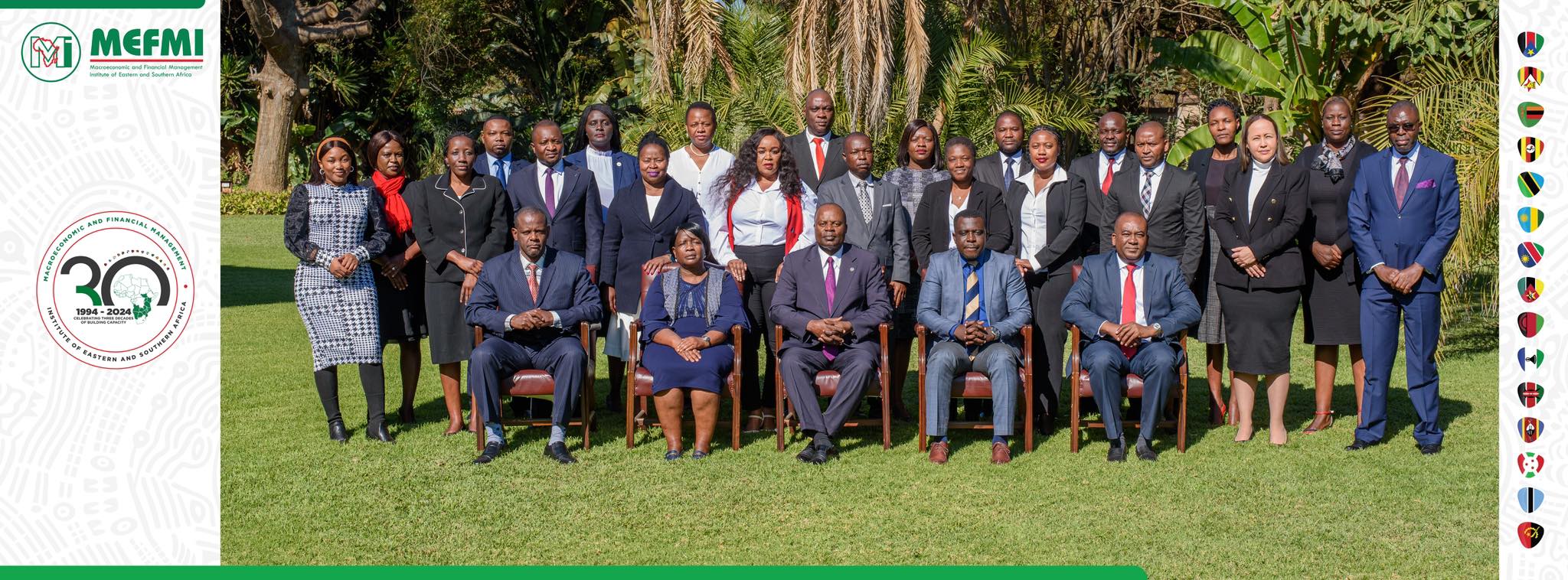
As MEFMI Executive Director Dr. Louis Kasekende noted during the anniversary celebrations, “Our aim has always been to empower countries to not just survive economic shocks but to thrive in the face of them.
” With tailored training and expertise, many of MEFMI’s 15 member countries have been able to mitigate risks associated with borrowing and develop policies that keep their debt-to-GDP ratios at manageable levels.
Inflation Control and Economic Stability
Another critical area of focus for MEFMI is macroeconomic management. The Macroeconomic Management Programme works closely with policymakers to maintain inflation control, manage exchange rates, and stabilize national budgets.
In a region often subject to external shocks, such as fluctuating commodity prices and global economic downturns, this program has helped governments respond quickly and effectively to crises.
One of MEFMI’s standout achievements in this area has been its ability to offer real-time advisory services to central banks during periods of economic uncertainty.
Dr. Phil Mnisi, the Central Bank of Eswatini Governor and Chairman of MEFMI’s Board of Governors, reflected on the importance of these services: “In times of crisis, the right guidance at the right moment can mean the difference between economic recovery and collapse. MEFMI has been that guiding hand for many of us.”
Capacity Building and Long-Term Planning
The institute’s approach to capacity building is crucial to ensuring that debt and macroeconomic management are handled sustainably. MEFMI’s workshops and training sessions target not only current policymakers but also future leaders, creating a pool of experts who can navigate complex financial systems.
Over the years, MEFMI has trained thousands of officials across the region, providing them with the knowledge and skills needed to devise long-term economic strategies. The Fellows Development Programme has played a key role in building this expertise.
According to MEFMI’s reports, around 11,000 officials have benefited from the capacity-building programs, ensuring that the region has a steady pipeline of professionals capable of managing future challenges.
Facing New Economic Challenges
The future presents new challenges for MEFMI’s member countries. The rise of global inflation, increasing interest rates, and the effects of climate change on agricultural economies are just a few of the hurdles that regional governments must overcome.
In response to these challenges, MEFMI has begun to expand its focus, incorporating new areas such as climate finance and digital economy management into its training programs.
MEFMI’s adaptability is one of its greatest strengths. As Dr. Kasekende highlighted, “We must constantly evolve to meet the changing needs of our member countries. As the global economy shifts, so must our strategies and solutions.”
Conclusion
For three decades, MEFMI has been at the forefront of helping Eastern and Southern African countries manage debt and ensure macroeconomic stability. Through its targeted programs, the institute has not only provided solutions for immediate financial challenges but has also laid the groundwork for long-term economic resilience.
As the region continues to face new economic pressures, MEFMI’s role in building a stable, sustainable financial future remains more critical than ever. Its work in debt management and macroeconomic planning continues to provide essential support to countries striving for stability in an increasingly interconnected world.