



In a world where consumers are increasingly aware of what they purchase and consume, the Eswatini Standards Authority (SWASA) is stepping up efforts to ensure that local products are labeled accurately.
Through a recent training program, SWASA is equipping over 80 micro, small, and medium enterprises (MSMEs) with essential skills in product packaging, branding, and proper labeling practices.
The training addresses a pressing issue: false labeling. Whether it’s inaccurate weight claims, misleading nutritional information, or exaggerated health benefits, these deceptive practices undermine consumer trust and can have serious legal implications.
Fighting Misleading Claims
One of the core lessons of the SWASA training is the importance of accurate product labeling, particularly regarding weight and nutritional content. SWASA Executive Director Ncamiso Mhlanga highlighted that incorrect labeling is not just misleading—it’s a crime.
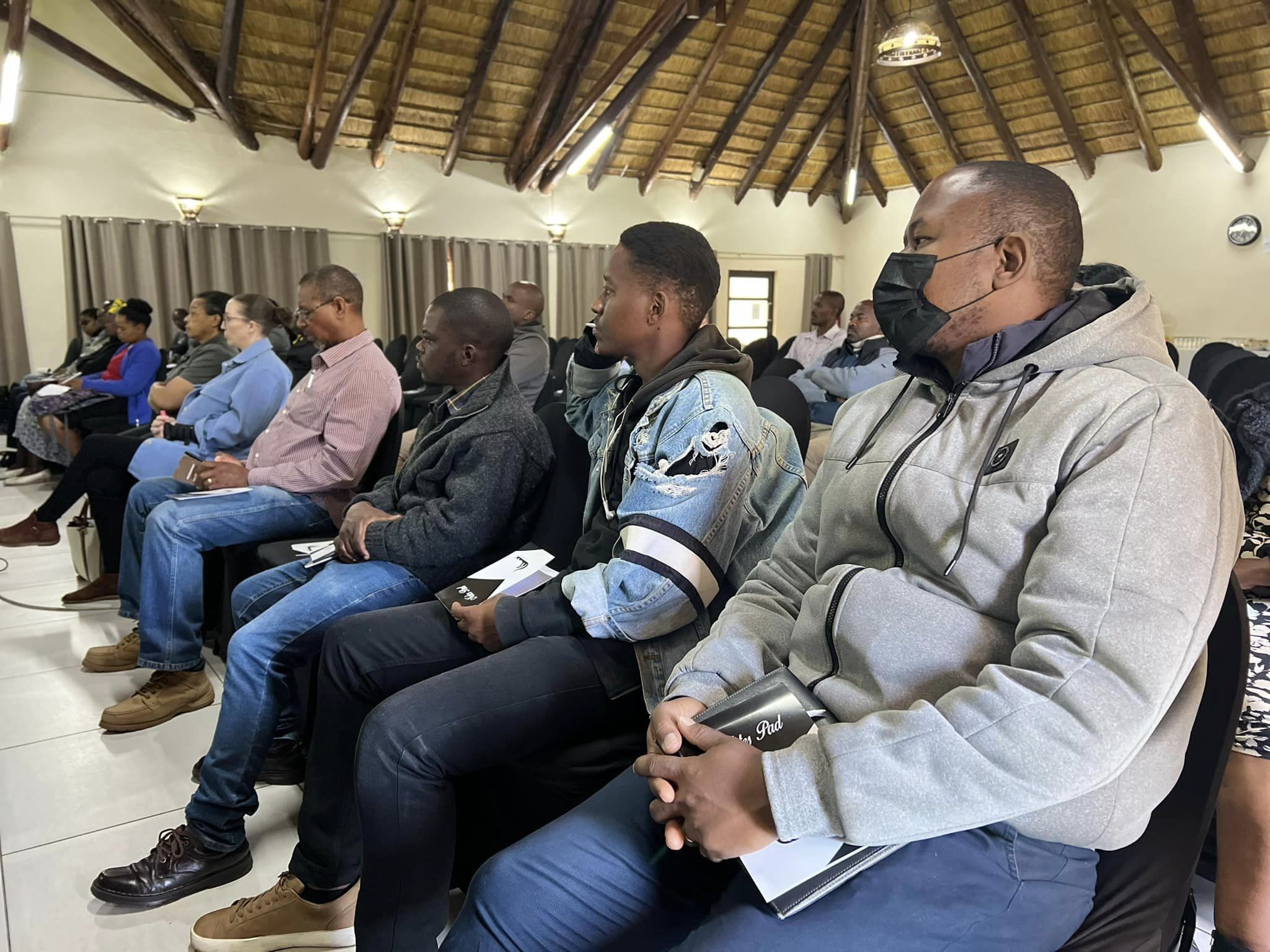
“We’ve encountered instances where products claim to weigh 5kg but, in reality, they only weigh 4.5kg. That’s a serious offense because it misleads the consumer,” Mhlanga stated during the training session. “The first thing we’re addressing is making MSMEs aware of the legal standards they need to meet.”
Inaccurate weight claims are just one example of the false labeling practices SWASA is targeting. Proper labeling ensures that consumers get what they pay for, and Mhlanga stressed the importance of compliance with national and international standards to avoid misleading buyers.
Nutritional Labeling: The Truth Behind the Claims
Another critical aspect of the training was nutritional labeling. Many consumers rely on packaging information to make informed choices about their health, and false claims regarding the nutritional value or health benefits of a product can have harmful consequences.
Mhlanga emphasized that some products falsely advertise benefits that they do not provide, a practice that SWASA is determined to end.
“There are nutritional values attached to every product, and it’s crucial for SMEs to understand how to properly present this information. We’ve seen companies make false health claims, which can mislead consumers who depend on these products to improve their health,” he explained.
He added that the training ensures MSMEs can correctly label products in a way that builds trust and ensures transparency in the supply chain. Accurate labeling allows consumers to trace the origin of products, making it easier to verify their quality and safety.
Consumer Protection Through Standards
The training also shed light on the legal and safety aspects of product labeling. Mhlanga explained that ensuring consumer safety is at the heart of SWASA’s mission, and product testing is vital to meeting the required standards.
“We’re committed to monitoring products to ensure they are safe for consumers. Some products need to be tested before attaching labels, especially when it comes to safety and nutritional requirements,” he said.
By making sure MSMEs comply with these standards, SWASA is not only protecting consumers but also helping businesses avoid costly penalties or reputational damage that could arise from false claims.
Building Trust Through Transparency
Ultimately, SWASA’s efforts aim to create a culture of transparency and trust between local businesses and their customers. By equipping MSMEs with the right knowledge, they are better prepared to meet market expectations and ensure that consumers receive products that meet the stated quality and safety standards.
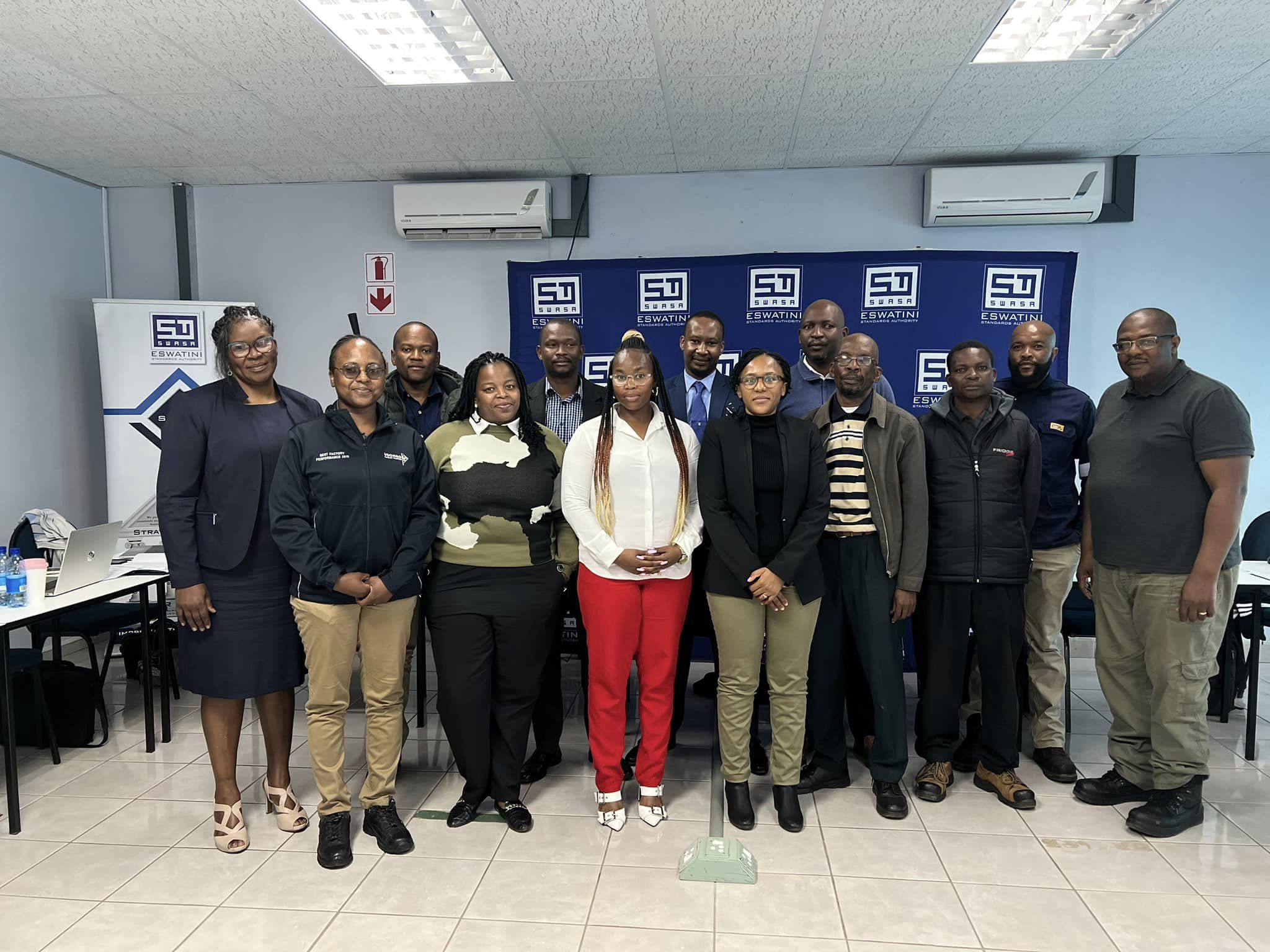
“Consumers have the right to know exactly what they are buying,” said Mhlanga. “By enforcing proper labeling standards, we are building trust between businesses and their customers. This will also help Swazi-made products compete on an international scale, where transparency is key.”
A Step Towards International Market Competitiveness
With initiatives like these, SWASA is not only safeguarding consumers but also empowering local MSMEs to meet global standards. Proper packaging and labeling open up new opportunities for Swazi products to reach broader markets, including the African Continental Free Trade Area (AfCFTA).
As SWASA continues its fight against false labeling, both businesses and consumers can benefit from a fairer, more transparent marketplace. For MSMEs, this training is a critical step towards sustainability and success in an increasingly competitive global economy.
Conclusion
SWASA’s commitment to accurate labeling is setting the foundation for a stronger local market and more confident consumers. By addressing false claims and ensuring transparency, they are protecting both buyers and businesses, paving the way for Swazi products to shine on the world stage.