



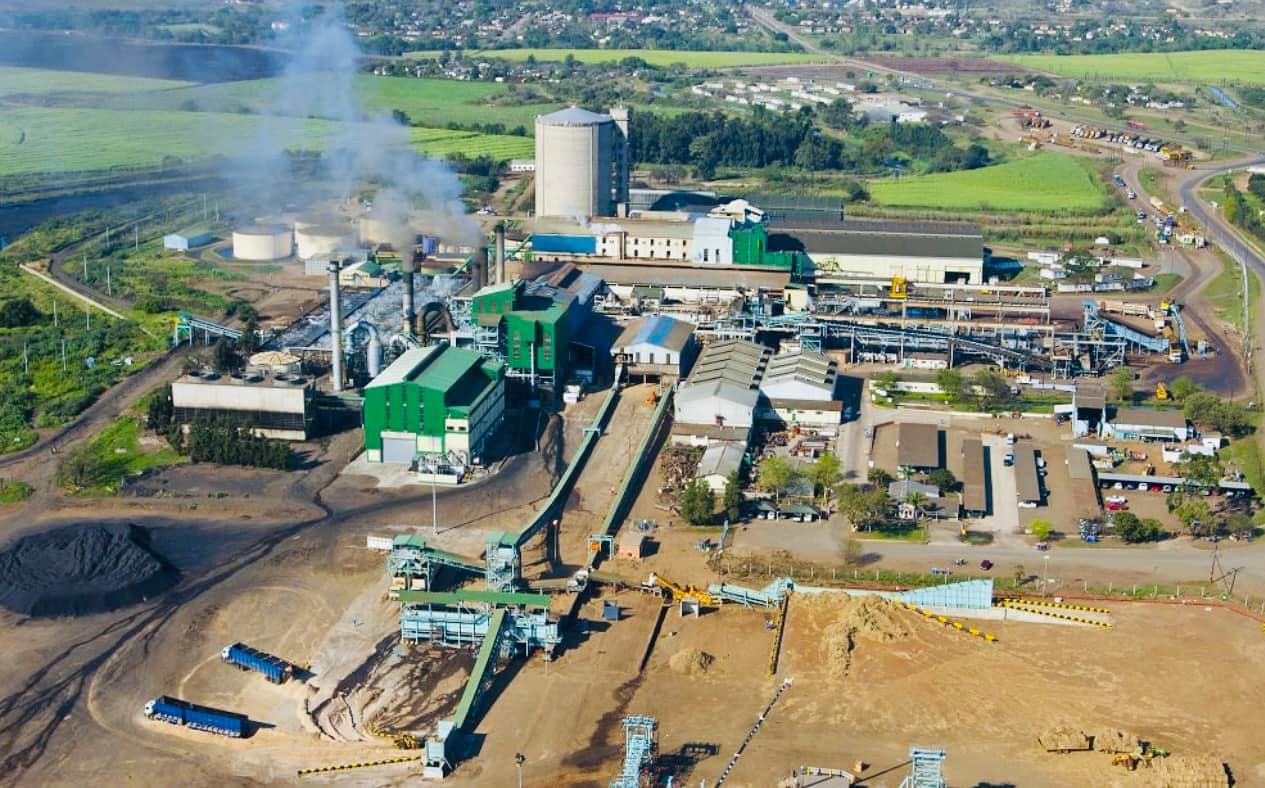
Ubombo Sugar Limited (USL) is embarking on an ambitious journey to significantly increase its energy output, with a proposed E2 billion investment to boost its exports. This bold move is part of the company’s larger strategy to diversify its revenue streams, leverage the growing demand for renewable energy, and contribute to Eswatini’s economic development. However, the road to achieving this vision is not without its challenges.
While USL’s plan presents significant opportunities for growth, it must navigate regulatory hurdles, procurement complexities, and secure necessary funding. At the same time, the company has the backing of key stakeholders, positioning it well to deliver on its ambitious goals.
Regulatory Hurdles: Navigating Complex Energy Policies
One of the primary challenges facing USL’s energy expansion is navigating the complex regulatory landscape. Expanding energy infrastructure requires government approvals, adherence to environmental policies, and alignment with national energy goals. Given that Ubombo Sugar Limited plans to increase its energy exports to 40 megawatts from the current 17 megawatts, securing these approvals is critical.
Ubombo Sugar Limited Managing Director Muzi Siyaya acknowledged the challenges but expressed confidence in the company’s ability to work within regulatory frameworks. “The procurement process is always a complex undertaking, especially in the energy sector. However, we have strong relationships with regulatory bodies and are confident that with government support, we can achieve the necessary approvals,” Siyaya stated.
In addition to Eswatini’s regulations, USL must also align with regional power agreements, particularly with Eskom in South Africa. The recent extension of the Power Purchase Agreement (PPA) with Eskom provides some stability, but ongoing compliance with cross-border energy regulations will be crucial.
Procurement Complexities: Sourcing Equipment and Expertise
USL’s expansion plans will involve substantial upgrades to its existing energy infrastructure, including cogeneration plants and renewable energy technologies. Procuring the necessary equipment and expertise to implement these upgrades is another key challenge.
James Mabundza, General Manager of Customer Service at the Eswatini Electricity Company (EEC), highlighted the importance of securing reliable partners. “Energy projects of this magnitude require advanced technology and skilled professionals. USL will need to carefully select suppliers and contractors who can meet the technical demands while ensuring that the project stays within budget and timeline,” he said during the Business Eswatini Annual General Meeting.
Siyaya echoed this sentiment, acknowledging that while procurement is a significant hurdle, the company is well-positioned to overcome it. “We have the capacity and the financial muscle to execute this plan. Our procurement process is stringent, and we will ensure that we partner with the right vendors who share our vision for a greener future.”
Investment and Funding: Securing Financial Backing
USL’s ambitious expansion will require nearly E2 billion in investment, and securing this funding is another challenge. Large-scale energy projects often require a mix of debt financing, equity investments, and government grants. Engaging investors and securing favorable terms for funding is critical to ensuring the project’s success.
Siyaya remains optimistic about the company’s financial standing and its ability to attract investors. “We have strong backing from our stakeholders and investors who believe in our mission. This investment is not just about growing USL—it’s about contributing to Eswatini’s economic growth through sustainable energy solutions,” he said.
Government support is also expected to play a significant role in the success of the expansion. Eswatini’s commitment to increasing its renewable energy output aligns with USL’s goals, and government grants or subsidies could provide much-needed financial relief.
Opportunities for Energy Diversification and Growth
Despite the challenges, USL’s energy expansion offers tremendous opportunities for both the company and Eswatini. By increasing its energy exports, USL aims to tap into the growing global demand for renewable energy, positioning itself as a leader in the Southern African Development Community (SADC) region.
The project also aligns with Eswatini’s goals for energy diversification. As the country seeks to reduce its reliance on imported electricity, USL’s increased output could help Eswatini become more self-sufficient and reduce its vulnerability to external energy market fluctuations.
Dr. Nhlanhla Dlamini, an energy analyst, noted, “USL’s expansion could be a game-changer for Eswatini’s energy sector. Not only will it increase our renewable energy capacity, but it will also open doors for more private sector involvement in the energy industry, which could lead to further innovation and job creation.”
USL’s stakeholders are also optimistic about the project’s potential impact. Siyaya emphasized the importance of continued collaboration, stating, “The success of this project hinges on the support of our stakeholders, including the government, investors, and consumers. We are committed to delivering tangible benefits to the nation through this expansion.”
Conclusion: A Balanced Path Forward
While the road ahead presents challenges, USL’s energy expansion represents a significant opportunity for growth, both for the company and Eswatini. By navigating regulatory complexities, securing reliable procurement partners, and attracting the necessary investments, Ubombo Sugar Limitedcan position itself as a key player in the region’s renewable energy sector.
With strong stakeholder support and a clear vision, Ubombo Sugar Limited is poised to not only overcome these challenges but also contribute to Eswatini’s long-term energy security and economic development. The future looks bright for USL as it leads the way towards a more sustainable and diversified energy landscape in Eswatini.